Paving Materials: Bluestone vs Sandstone vs Porcelain for Melbourne Patios
Compare popular paving options for Melbourne outdoor areas. Durability, maintenance, cost, and aesthetic considerations for each material type.
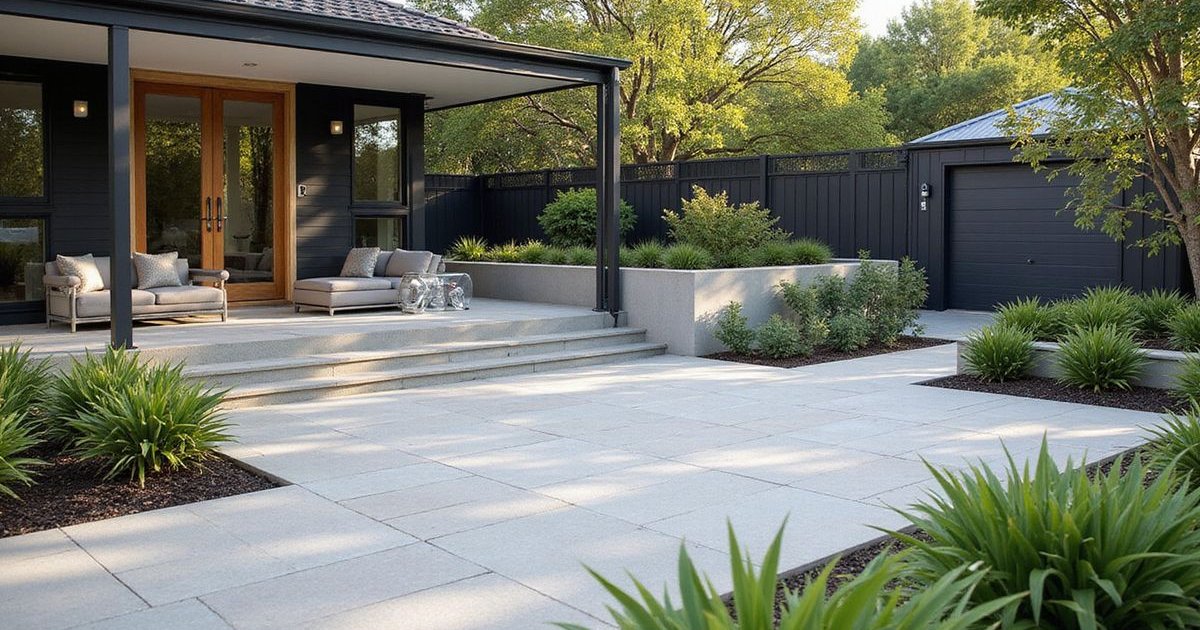
Choosing the right paving material is one of the most important decisions in any landscape project. The material you select affects aesthetics, durability, maintenance, and budget.
This guide compares three popular options for Melbourne outdoor areas: Bluestone, Sandstone, and Porcelain. Our paving and decking service helps you select and install the right material for your specific site.
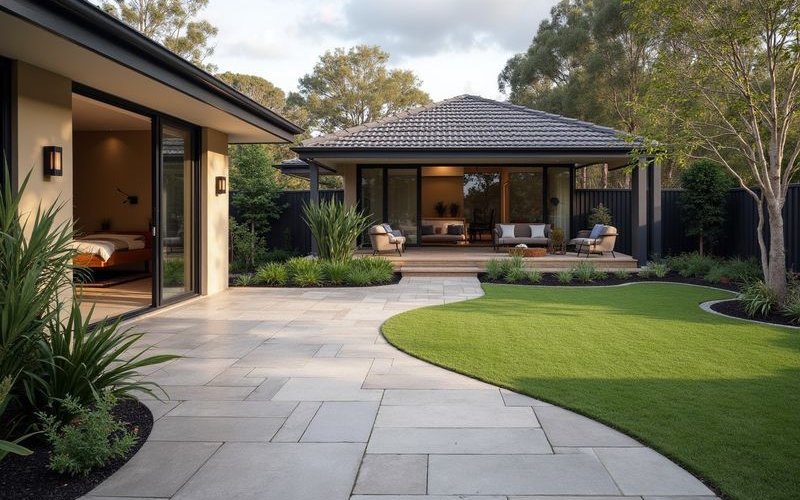
Introduction: The “Muddy Reality” Behind the Showroom
You know how everything looks pristine in the showroom, but the reality of Melbourne weather tells a different story? We have spent over four decades establishing a reputation for integrating architecture with the landscape, so we know that “durability” isn’t just a buzzword. It is the difference between a patio that lasts a summer and one that lasts a generation.
Most homeowners focus on the initial look, but the real challenge lies in how these materials handle our unique climate—from baking January heat to soggy July mornings. We often see projects fail not because of the design, but because the material choice ignored the practical demands of the site.
Let’s look at the data, what it’s actually telling us, and then explore a few practical ways to respond.
Bluestone
Overview
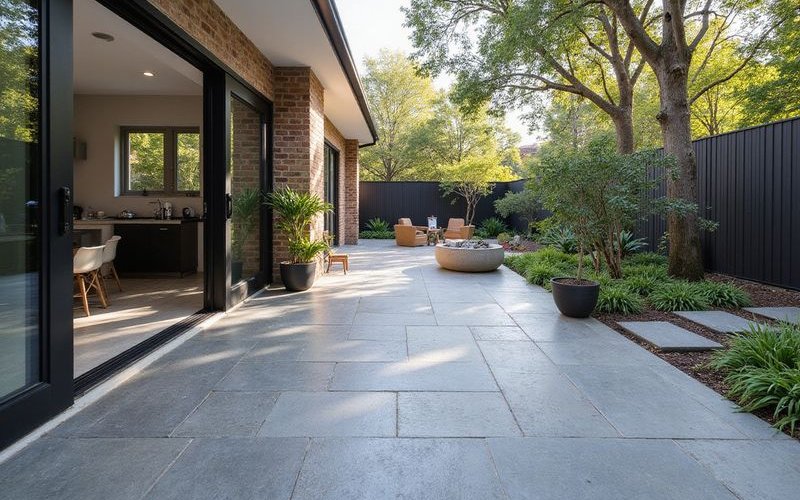
Victoria’s iconic natural stone is quarried locally and has been used for over 150 years. We consider this the “little black dress” of Melbourne landscaping because it works with almost any architectural style. It typically comes in blue-grey to charcoal tones.
Finishes
- Honed: Smooth, contemporary look (Great for covered alfresco areas).
- Flamed: Textured, non-slip (Essential for pool surrounds).
- Natural cleft: Rustic, traditional (Perfect for heritage pathways).
- Sawn: Clean, modern edges.
The “Harkaway” Distinction
You will often hear the term “Harkaway” thrown around by suppliers. This refers to a premium grade of bluestone that is denser and has significantly fewer “cat’s paw” holes (air pockets formed during volcanic cooling) than standard Chinese bluestone.
- Why it matters: Standard bluestone can have up to 40-50% surface pitting, which traps dirt and weakens the stone. Harkaway typically has less than 20% pitting.
- Our advice: If you are paving a dining area, pay the extra for Harkaway or “Select Grade.” You do not want table legs wobbling in a crater.
Pros
- Timeless Melbourne classic.
- Extremely durable.
- Improves with age.
- Local, sustainable option.
- Various finishes available.
- High property value.
Cons
- Can be slippery when wet (honed).
- Some colour variation.
- Heavier installation.
- Moderate-high cost.
- May need sealing.
Insider Tip: The Slip Rating Trap
Many people choose a “honed” finish for its smooth look, but it can be dangerous around a pool. We strictly recommend a P4 or P5 slip rating (according to Australian Standards AS 4586) for any wet areas. A “Flamed” or “Sawn & Lightly Honed” finish usually achieves this safety standard without looking too rough.
Best For
- Heritage homes.
- Contemporary designs.
- Pool surrounds (flamed).
- High-traffic areas.
Cost Range
$150 - $250 per m² (Installed) Supply only is roughly $60 - $100 per m² depending on grade.
Sandstone
Overview
Warm-toned natural stone with colour variations from cream to gold to brown. This material creates a natural, organic feel that perfectly suits the “bush aesthetic” of suburbs like Eltham or Warrandyte.
Types
- Indian Sandstone (e.g., Himalayan, Teakwood): Offers incredible value and varied colours.
- Australian Sandstone (e.g., Gosford): The premium choice. It is softer and more porous but offers unmatched local character and prestige.
Finishes
- Natural: Textured surface.
- Honed: Smoother finish.
- Tumbled: Aged appearance.
The “Picture Framing” Warning
We see this tragedy too often on DIY jobs. Sandstone is highly porous. If you lay it on wet mortar and grout it without sealing it first, the dirty water from the grout is sucked into the edges of the stone.
- The Result: A permanent, ugly dark border around every single paver known as “picture framing.”
- The Fix: You must pre-seal sandstone pavers on all six sides (top, bottom, and edges) with a high-quality impregnating sealer like Dry-Treat Stain-Proof before laying them.
Pros
- Warm, natural tones.
- Complements bushland settings.
- Good grip when textured.
- Unique character.
- Relatively affordable (Imported varieties).
Cons
- Softer than bluestone.
- Must be sealed (non-negotiable).
- Can stain more easily (Red wine is a killer).
- Variable quality.
- Requires careful selection.
Best For
- Bush settings.
- Cottage gardens.
- Natural aesthetics.
- Stepping stones.
- Garden paths.
Cost Range
$120 - $220 per m² (Installed) Supply varies wildly: $50/m² for Indian up to $150+/m² for premium Australian Gosford.
Porcelain Tiles
Overview
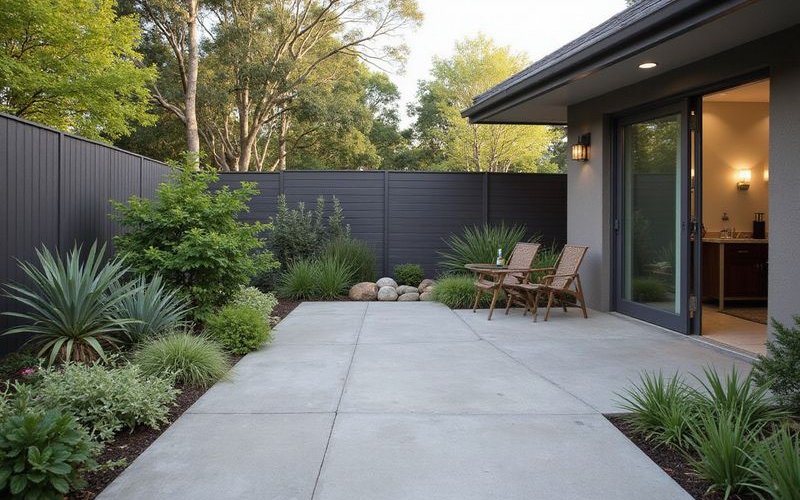
Manufactured ceramic tiles designed for outdoor use. These are baked at extreme temperatures to be harder than granite and completely non-porous.
Types
- Stone-look: Replicates natural stone (travertine/marble) without the maintenance.
- Wood-look: Timber appearance.
- Concrete-look: Industrial aesthetic.
- Plain colours: Contemporary options.
The Hidden Concrete Cost
Porcelain is brittle if it is not fully supported. Unlike bluestone, which can often be laid on a compacted sand base (flexible paving), porcelain must be glued to a reinforced concrete slab.
- The Impact: While the tile itself might only cost $70/m², the concrete base adds another $80 - $110 per m² to your project costs.
- The Benefit: You get a dead-flat, permanent finish that will never subside or get weeds between the joints.
Pros
- Consistent appearance.
- Very low maintenance.
- Stain resistant (Oil and BBQ grease wipe right off).
- Frost resistant.
- Large format options (e.g., 600x1200mm).
- Modern aesthetic.
Cons
- Less natural character.
- Requires concrete base (Major cost factor).
- Can crack if base moves.
- Higher installation cost.
- Limited to flat applications.
Best For
- Contemporary homes.
- Low-maintenance gardens.
- Pool areas.
- Entertaining spaces.
- Where consistency required.
Cost Range
$200 - $300 per m² (Installed including concrete base) Supply only is $70 - $140 per m².
Comparison Summary
| Factor | Bluestone | Sandstone | Porcelain |
|---|---|---|---|
| Durability | Excellent | Good | Excellent |
| Maintenance | Low-Medium | High (Sealing critical) | Very Low |
| Slip Resistance | Good (flamed) | Good | Excellent (Check R rating) |
| Natural Character | High | High | Low |
| Est. Install Cost | $150-250/m² | $120-220/m² | $200-300/m² (w/ slab) |
| Heat Retention | High (Hot in sun) | Low (Cooler underfoot) | High (Hot in sun) |
| Best Setting | Traditional/Modern | Natural/Cottage | Modern/Clean |
Installation Considerations
Bluestone & Sandstone
These natural stones offer flexibility.
- Flexible Paving: Can be laid on a compacted roadbase and sand bed. This saves money and allows for natural ground movement without cracking.
- Grouting: We recommend a flexible grout or a permeable resin-bound sand to prevent cracking as the pavers move slightly.
Porcelain
This is a rigid system.
- Rigid Paving: Must be laid on a cured, reinforced concrete slab (minimum 100mm thick with SL72 mesh).
- Adhesion: Installers must use a high-quality, polymer-modified adhesive. We often “back-butter” (apply glue to the back of the tile) to ensure 100% contact coverage. If you tap a porcelain tile and it sounds hollow or “drummy,” it will likely crack under a heavy plant pot.
Making Your Choice
Choose Bluestone If:
- You want that authentic “Melbourne laneway” character.
- Durability is paramount for a driveway or high-traffic path.
- You need a material that bridges the gap between a heritage facade and a modern extension.
- Budget allows for a premium natural stone.
Choose Sandstone If:
- You love the “Warrandyte” or “Eltham” bush aesthetic.
- You want a surface that stays cooler underfoot in summer (lighter colours reflect heat).
- You are willing to commit to sealing it every 3-5 years.
- You prefer a softer, organic look over sharp lines.
Choose Porcelain If:
- You want a “set and forget” solution with zero staining risk.
- You need a perfectly flat surface for furniture.
- You are looking for a seamless indoor-outdoor transition (use the same tile inside and out).
- You have the budget for the required concrete base.
Consider Your Context
The right choice depends on your home’s style, garden aesthetic, usage requirements, maintenance expectations, and available budget.
We often find that combining materials creates the best outcome. For example, you might use Porcelain for the main dining alfresco (for stain resistance) and Bluestone or Sandstone stepping stones through the garden to soften the look.
Need help choosing paving for your project? Contact us to discuss the best options for your Melbourne outdoor space.